When Football Becomes Diplomacy: What the World Cup Anti-South Africa Sentiment Means for African Unity
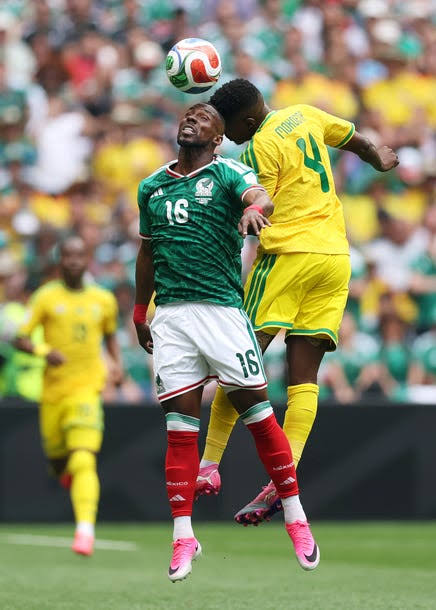
The FIFA World Cup has always been more than football. It is a stage where nations showcase pride, identity, culture, and sometimes even their political frustrations. As the 2026 FIFA World Cup unfolds across the United States, Canada, and Mexico, an unusual trend has emerged among many African football supporters: a visible reluctance to support South Africa, fueled largely by recurring incidents of xenophobic violence against fellow Africans within South African borders.
While football rivalries are natural, the growing anti-South Africa sentiment across sections of the continent raises a bigger question: What happens when political and social grievances begin to undermine the African integration dream?
The Cost of Xenophobia Beyond South Africa's Borders
For years, South Africa has experienced periodic outbreaks of xenophobic attacks targeting migrants and businesses from countries such as Nigeria, Zimbabwe, Mozambique, Malawi, Somalia, Ethiopia, and the Democratic Republic of Congo. Images of looted shops, displaced families, and anti-foreigner protests have repeatedly circulated across Africa.
The consequences extend far beyond the immediate victims.
Today, many Africans view South Africa not merely through the lens of its economic achievements but through the experiences of fellow Africans who have felt unwelcome there. As a result, when South Africa competes on global stages—whether in football, business, diplomacy, or tourism—it sometimes faces a silent but significant deficit in continental goodwill.
Football merely exposes what already exists beneath the surface.
A Lesson from Morocco's European Ambitions
Africa has witnessed similar dynamics before.
For decades, Morocco pursued closer ties with Europe and eventually secured advanced partnerships with the European Union. While this strategy delivered economic benefits, some Africans perceived Morocco as prioritizing European integration over African solidarity.
The result was not hostility but a gradual erosion of continental enthusiasm for Morocco's broader geopolitical ambitions.
The lesson is simple: regional identity matters.
Countries that appear disconnected from the aspirations of their neighbors often discover that economic power alone cannot purchase regional influence or affection.
South Africa risks facing a similar challenge.
The African Union Vision at Stake
The African Union (AU) was founded on the principles of unity, cooperation, and shared prosperity. Through initiatives such as:
- The African Continental Free Trade Area (AfCFTA)
- Free movement protocols
- Regional economic blocs
- Pan-African infrastructure projects
- Cross-border investments
African leaders envision a continent where borders matter less and opportunities matter more.
Yet xenophobia directly contradicts this vision.
How can Africa build a single market if African workers are viewed as outsiders?
How can businesses expand across borders if entrepreneurs fear discrimination?
How can citizens embrace free movement if they believe they will be unwelcome in neighboring countries?
Every xenophobic incident weakens trust—the most important currency for integration.
Football: A Mirror of Political Reality
Sports have historically reflected broader political realities.
During apartheid, South Africa itself experienced international sporting isolation. African nations stood together in demanding justice and equality.
Ironically, many younger Africans now question whether South Africa fully appreciates the solidarity that helped bring an end to apartheid.
This perception may not reflect the views of all South Africans. Millions of South Africans continue to embrace Pan-African values and contribute positively to continental development. However, perception often shapes reality in international relations.
When supporters from Lagos, Nairobi, Harare, Kigali, Accra, Kampala, Lusaka, and Kinshasa cheer for South Africa's opponents, they are expressing more than sporting preferences. They are communicating frustration over what they perceive as a betrayal of African brotherhood.
The Economic Implications
The impact is not limited to football.
A damaged continental reputation can affect:
Tourism
African tourists increasingly choose destinations where they feel welcomed. Negative perceptions can redirect tourism spending elsewhere.
Investment
Trust influences investment decisions. Regional investors prefer markets perceived as stable and inclusive.
Trade
The success of AfCFTA depends heavily on cooperation and mutual confidence among member states.
Soft Power
Countries derive influence not only from GDP or military strength but also from their ability to inspire goodwill.
Nigeria's cultural influence through music and film, Kenya's diplomatic leadership, Rwanda's governance branding, and Ghana's "Year of Return" initiative demonstrate how soft power creates strategic advantages.
South Africa's recurring xenophobia threatens one of its greatest assets: continental leadership.
Africa Cannot Afford Division
The greatest beneficiaries of a divided Africa are rarely Africans.
The continent faces common challenges:
- Youth unemployment
- Climate change
- Food insecurity
- Global trade inequalities
- Debt pressures
- Technological transformation
Addressing these challenges requires collaboration rather than suspicion.
The dream of African integration was never about creating a collection of competing national identities. It was about building a community of nations capable of negotiating from a position of collective strength.
When Africans celebrate the failure of another African country, the continent as a whole loses something valuable.
The Path Forward
South Africa has an opportunity to rebuild trust.
This requires more than official statements after each xenophobic incident. It demands sustained action:
- Stronger protection of foreign nationals.
- Swift prosecution of perpetrators.
- Public education campaigns promoting Pan-Africanism.
- Increased cultural exchanges across the continent.
- Stronger engagement with African youth.
Equally, the rest of Africa must avoid allowing legitimate grievances to evolve into permanent hostility.
The goal should not be to isolate South Africa but to encourage it to become the continental leader many Africans still believe it can be.
A Final Reflection
The World Cup will end. Winners will be crowned, and memories will fade.
But the reactions of African supporters toward South Africa offer an important warning for the future of the continent.
African unity cannot survive on treaties, summits, and speeches alone. It must be felt by ordinary citizens crossing borders, seeking opportunities, and building lives across the continent.
If an African feels like a foreigner in Africa, then the integration project remains incomplete.
The African Union's long-term vision depends not only on economic agreements but on something far more powerful: the belief that every African belongs anywhere in Africa.
Until that belief becomes reality, the dream of a truly united Africa will remain a work in progress.
Comments
You must be logged in to post a comment.